Cognitive Supplements Under the Microscope: Claims, Evidence, and Safety
A newsroom investigation examines marketing claims, published literature, user reports, and safety notes around brain-health products.
By Newsroom Staff • Updated • 8 min read

- “Proprietary blends” may hide individual doses compared to published research.
- User reports are mixed: some notice modest focus; others little change.
- Safety depends on individual context — interactions with medications possible.
Market Context
Neutral newsroom copy summarizing growth of the supplement market, regulation basics, and how independent evaluations review product labels and dosages.
What’s Promised & How It’s Communicated
Explains common claims (memory, focus, clarity), advertising language, and why transparency in per-ingredient dosing matters.
What the Science Says
Overview of peer-reviewed studies on frequent nootropic ingredients. Highlights limitations and heterogeneity of results.
User Experience
Independent reports vary. Some readers describe subtle improvements in focus and mental clarity—often alongside sleep, hydration, and daily walks—while others notice little change over a 4–8 week period. This range is consistent with mixed findings in the wider nootropics landscape and emphasizes the role of routines and medical guidance.
- Subtle focus benefits were most often reported when paired with consistent sleep and light exercise.
- Several users paused after one bottle when perceived effects were minimal.
- Readers frequently value transparent labels with per-ingredient dosing to compare against published research.
Editorial note: community anecdotes are illustrative and not clinical evidence. Results can differ widely by individual context.
For label details, ingredient list, and manufacturer statements, visit the official page. This is a sponsored, non-medical, non-diagnostic link.
View official info →- Transparent labels with per-ingredient doses
- Reasonable timelines (4–8 weeks) before judging
- Consistency with sleep, nutrition, and hydration
When Memory Loss Becomes Personal
Memory decline doesn’t just affect families — it also touches the lives of well-known figures, making the reality of cognitive health challenges impossible to ignore.



Label Transparency
Many cognitive formulas list a “proprietary blend”, grouping several ingredients under one total weight. This can make it harder to compare per-ingredient doses with figures commonly reported in published research.
- Is each ingredient dose listed individually?
- Does the label link to studies or provide citations?
- Does usage guidance set realistic timelines (e.g., 4–8 weeks)?
| Label Aspect | Why it matters | Reader takeaway |
|---|---|---|
| Per-ingredient dosing | Allows comparison with research ranges | Transparent labels are easier to evaluate |
| Proprietary blends | Mask individual amounts inside one total | Consider contacting the manufacturer for details |
| Usage guidance | Realistic expectations and timelines | Track routines (sleep, hydration, walks) |
What is a “proprietary blend”? A grouped list of ingredients under one umbrella weight without individual doses disclosed.
Editorial note: This section is informational and does not provide medical advice.
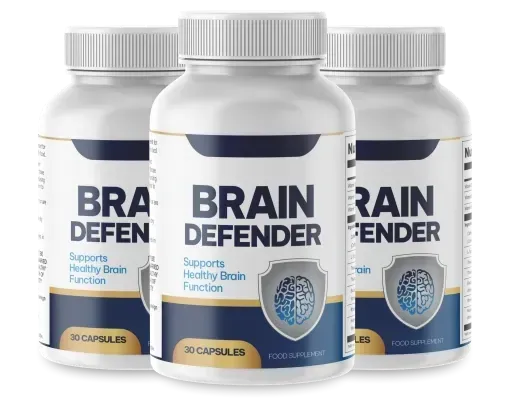
Community Reactions

Almost ignored this article, but glad I read it. The comparison on label transparency was eye-opening. Makes me double-check every bottle I buy now.

I liked that this didn’t feel like hype. Balanced, factual, and with sources. Exactly what I needed before making decisions.

Usually I skip health reviews online, but this one actually explained the risks too. That part about interactions with meds was useful.

Refreshing to see real journalism in health. It made me rethink supplements as just one piece of the puzzle — lifestyle comes first.
Safety & Interactions
Quick FAQ
This section is for general information only and does not constitute medical advice.
Official Information & Product Details
For full ingredient list, usage guidance, and manufacturer statements, readers can visit the official page.
Visit Official Website →Disclaimer: This report is for informational and educational purposes only. It does not provide medical advice, diagnosis, or treatment. Always consult with a qualified healthcare provider before starting any supplement, especially if you have a medical condition or are taking prescription medications.
References include publicly available scientific literature, consumer reports, and manufacturer statements as of the publication date. Content is independent and editorial in nature.
© Your Newsroom. All rights reserved.